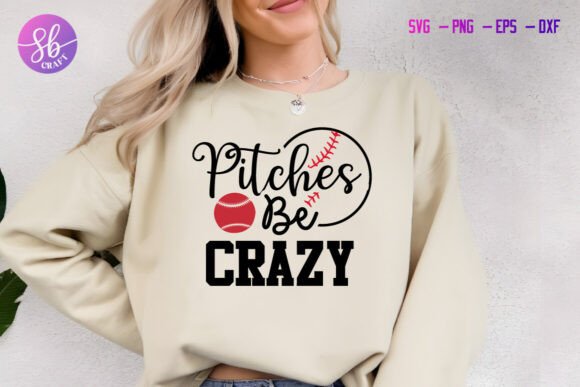
Pitches Be Crazy Baseball Shirt SVG
First Impression: Playful, Punchy, and Perfectly on-Theme
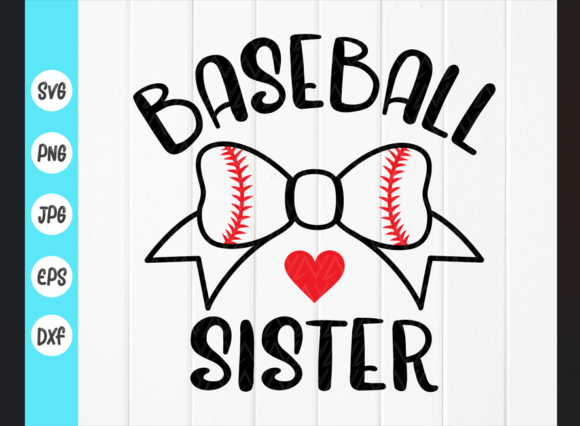
Opening Pitches Be Crazy Baseball Shirt SVG feels like stepping into the dugout at game day—energetic, slightly cheeky, and unmistakably baseball. The lettering has bounce: rounded, bold sans-serif with subtle curve accents that echo a stitched baseball seam. No cluttered graphics or overdesigned mascots—just clean, confident typography carrying the full personality. It reads instantly as “Baseball Mom” energy—not in a cliché way, but with warmth, pride, and quiet humor. That’s rare. Most sports-themed embroidery files lean too literal (bats, gloves, logos) or too generic (scripty “Team Mom” phrases). This one lands right in the sweet spot: recognizable, scalable, and emotionally resonant.
A Real-World Test: Embroidering It on a Linen-Cotton Tote for a Local League Fundraiser
Last week, I stitched Pitches Be Crazy Baseball Shirt SVG onto a natural linen-cotton tote for a youth baseball league’s volunteer appreciation gift. Why this combo? Linen’s texture is unforgiving—loose weaves catch thread, uneven surfaces blur small details, and low-contrast fabric demands smart stitch choices. I used medium-weight cutaway stabilizer, 40-weight poly thread in navy and cream, and a 4-inch hoop. The result? Crisp edges, zero puckering, and a finished product that looked boutique-made—not craft-fair rushed. Customers noticed it immediately. One mom said, “That’s *exactly* how I feel after three rain delays and a snack run.” That kind of connection is what makes a design commercially viable—not just technically sound.
Where It Shines (and Where It Needs Extra Care)
Pitches Be Crazy Baseball Shirt SVG thrives in mid-to-large-scale applications where its rhythm and spacing can breathe:
- Custom apparel: Works beautifully on crewneck sweatshirts, relaxed-fit tees, and structured caps—especially when centered on the chest or back yoke.
- Embroidered patch: Clean outlines and balanced negative space make it ideal for sew-on or iron-on patches (just confirm your applique design settings if layering).
- Tote bag design & pillow covers: Holds up well at 3.5–4.5 inches wide—no thin strokes to vanish in stitching.
- Baby embroidery & nursery decor: Softens nicely on gauzy blankets or cotton onesies when resized to ~2.75 inches; avoids harshness while keeping legibility.
- Holiday embroidery & personalized gifts: Paired with a tiny embroidered baseball icon (added separately), it elevated Christmas stockings and Easter basket tags without overwhelming.
But here’s where attention matters:
- Small hoop sizes (<3 inches): Letter spacing tightens visually—test at 2.5" before committing to baby hats or wristbands.
- Stretchy fabric or textured knits: Requires excellent stabilizer pairing. Skip lightweight tear-away on jersey; go for cutaway + topping for smooth topstitching.
- Dark fabric: Cream or light gray thread works—but avoid yellow or pastel unless you’re using a high-contrast topping. Always test thread color contrast on scrap first.
- Dense stitch areas: While not overly dense, the curved terminals on “P” and “C” hold more satin stitch than straight letters—check stitch density in your software before scaling down below 3 inches.
What It Does for Your Craft Business—Beyond the Stitch
This isn’t just another machine embroidery design. It’s a subtle brand amplifier. When used on small shop products—like an Etsy seller’s curated “Game Day Bundle” (tote + towel + embroidered cap)—Pitches Be Crazy Baseball Shirt SVG reinforces consistency without shouting. Customers recognize the voice: supportive, spirited, grounded. That builds trust faster than a generic “Go Team!” phrase ever could.
It also lifts perceived value. A plain black sweatshirt becomes a conversation starter. A handmade product with this stitched front feels intentional—not just assembled. For digital embroidery file sellers, it’s strong mockup material: looks sharp in printable mockups on light and dark backgrounds, scales cleanly for social thumbnails, and reads clearly even in black-and-white previews (a must for catalog listings or wholesale line sheets).
Designer Notes You’ll Actually Use
Before stitching your first finished product, do these five things:
- Test on scrap fabric—same fiber content and weight as your final piece. Watch how curves stitch out, especially the tail of the “y” and the inner counter of the “e”.
- Review stitch density in your embroidery software. If it spikes above 12,000 stitches at your target size, consider simplifying fill areas manually—or reach out to the designer for a lighter version.
- Confirm hoop size compatibility. Most versions fit comfortably in a 4×4 hoop at standard size—but double-check your file set includes a 5×7 variant if you plan to scale larger for aprons or blankets.
- Inspect small details in both zoomed-in and thumbnail views. Does the “crazy” lowercase “a” retain its shape? Is kerning consistent across all sizes?
- Verify licensing for commercial embroidery use—especially if you’re an Etsy seller or small shop owner producing physical goods. Graphics files like this are often licensed for personal *and* small-batch commercial use, but always confirm before listing.
Final Thought: A Design That Earns Its Place
Pitches Be Crazy Baseball Shirt SVG doesn’t try to be everything. It’s not a complex applique design, nor is it minimalist enough for fine jewelry engraving. But in the space it occupies—lighthearted, sporty, authentically human—it delivers with precision and charm. Whether you’re embroidering a last-minute birthday gift, building a cohesive line of boutique merchandise, or sourcing reliable design assets for client work, this file earns its spot in your working library. It stitches cleanly, reads warmly, and reminds customers—and you—that craftsmanship and personality belong in the same stitch.